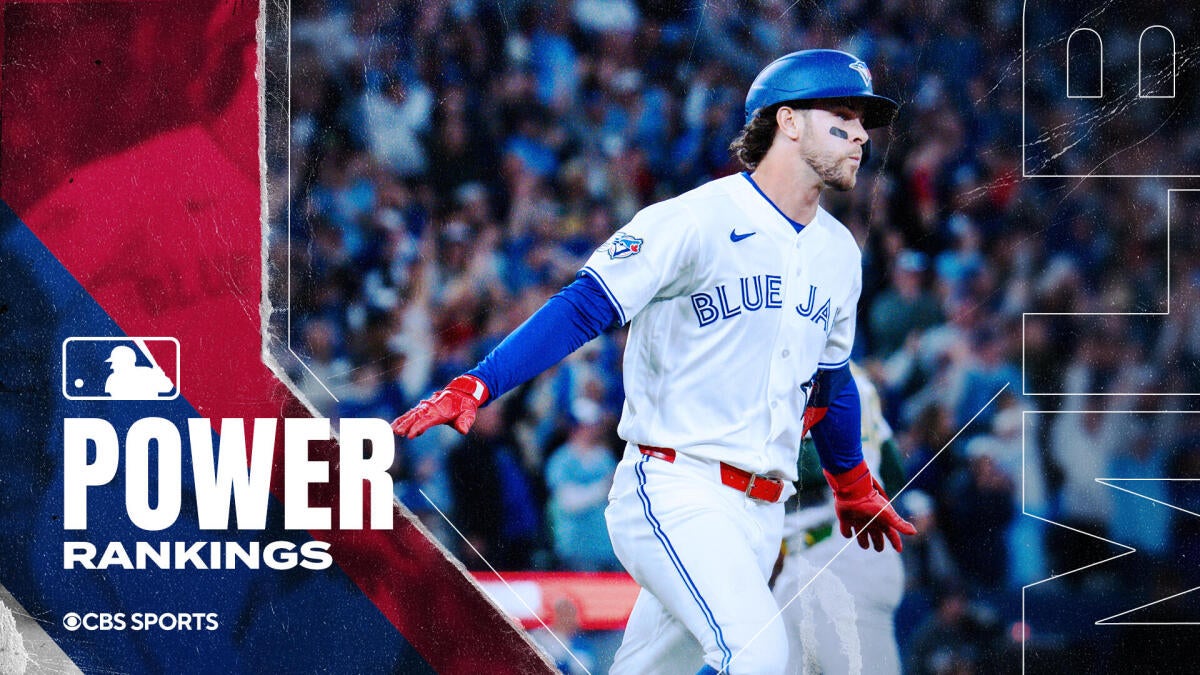
The first five days of Major League Baseball's season have provided a glimpse into team performances and emerging trends. As fans and analysts scrutinize the results, questions arise about which teams are truly strong and which are just early-season flukes.
In the initial week, several teams have exceeded expectations, showcasing impressive offensive and defensive capabilities. For instance, some underdog teams have started strong, surprising many with their early success. Conversely, some of the preseason favorites have stumbled out of the gate, prompting discussions about their true potential for the season.
One of the key factors in evaluating these early results is understanding the variability inherent in baseball. Small sample sizes can often lead to misleading impressions, making it essential to look beyond just win-loss records. Advanced metrics and player performances are critical in assessing whether these early trends are sustainable or temporary anomalies.
For example, teams with dominant starting pitchers and high team batting averages are likely to maintain their momentum, but injuries and schedule strength can influence outcomes. Similarly, teams that struggle early may turn things around as the season progresses, highlighting the importance of patience and deeper analysis.
Experts emphasize that early power rankings should be viewed as a snapshot rather than a definitive assessment. The true test comes as teams settle into their routines, and more data becomes available. Nonetheless, these initial results can offer valuable insights into team dynamics and potential playoff contenders.
In conclusion, while the first week of MLB play provides exciting moments and surprises, it is essential to interpret these results carefully. Fans and analysts should consider underlying statistics and context before drawing firm conclusions about team strength. As the season unfolds, these early indicators will help shape the narrative of baseball's 2024 campaign.